
Complete guide to pet veterinary care in Canada

Prioritizing health and wellness
Why regular veterinary check-ups matter for pets
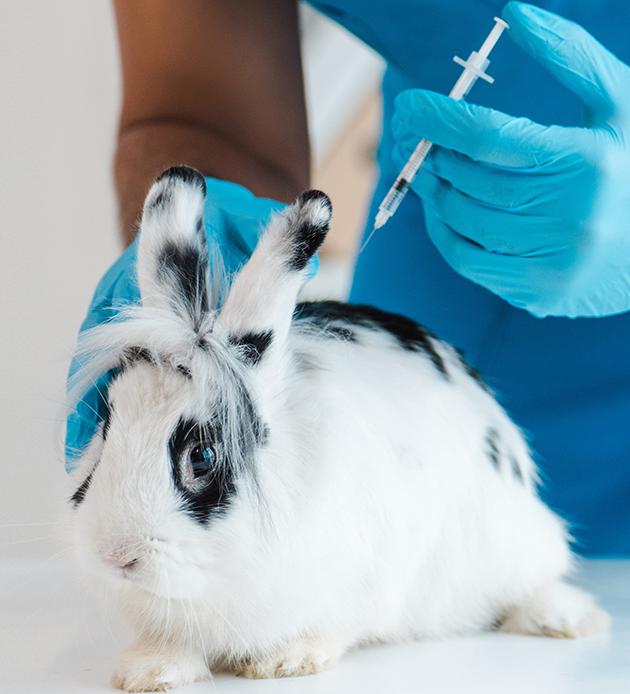
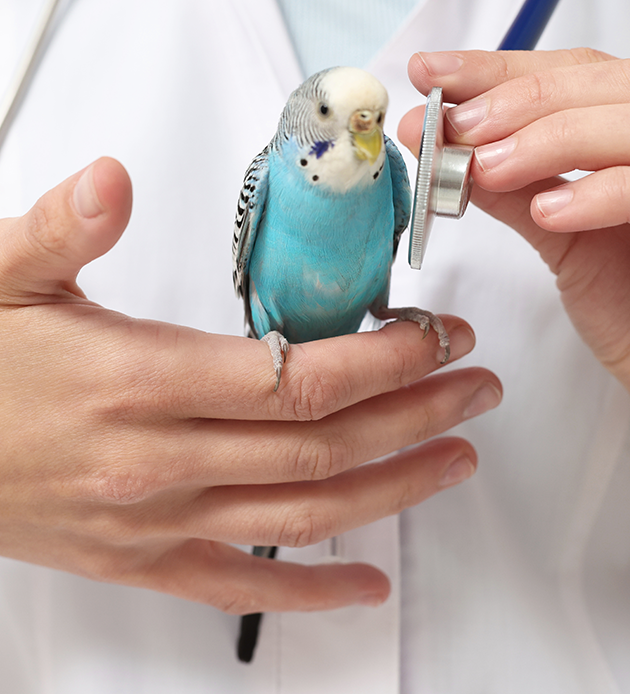
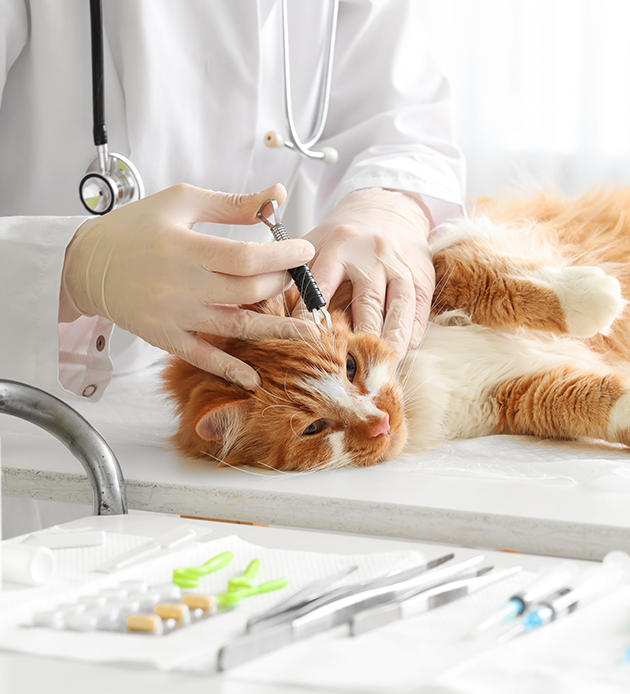
Building a relationship with a veterinary clinic establishes a health baseline for your pet. Annual wellness examinations enable professionals to monitor weight, evaluate dental condition, and detect subtle changes indicating underlying issues. These regular appointments are essential for long-term well-being and early identification of potential health concerns before they escalate into serious problems.
Proactive health management strategies
Essential strategies for animal health and prevention
A customized vaccination schedule protects against common pathogens and contagious diseases. Required immunizations vary based on your pet’s lifestyle, age, and regional exposure risks in Canada.
Parasite control is another critical component, targeting fleas, ticks, and internal worms through regular prescribed treatments. In many Canadian regions, managing the risk of tick-borne illnesses like Lyme disease is a year-round necessity. Deworming protocols and heartworm medication are also key to preventing serious infections that can compromise organ function.
Safeguarding your animal’s wellness
How to handle veterinary emergencies and provide first aid
Understanding how to respond effectively to an accident or sudden illness is critical. Symptoms like breathing difficulty, severe bleeding, or collapse require immediate professional attention at a veterinary clinic.
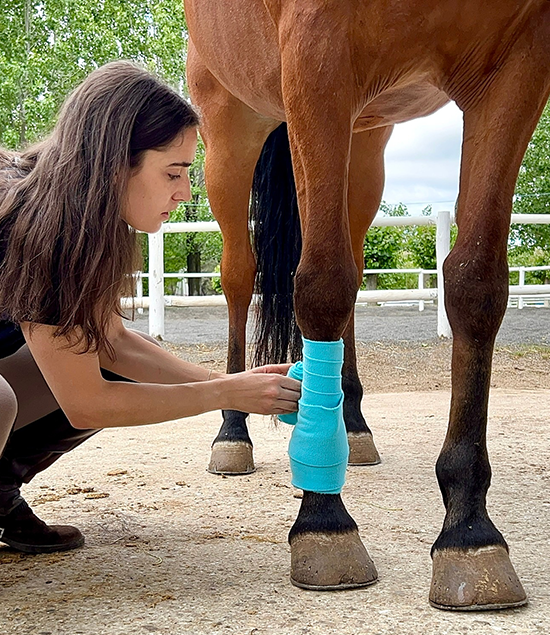
A basic pet first-aid kit should include items like gauze, antiseptic wipes, and non-adhesive bandages. Pet owners should identify the nearest 24-hour emergency animal hospital location. Common Canadian risks include encounters with porcupines or skunks and ingestion of toxic substances like antifreeze, which requires urgent veterinary care.
Building strong foundations through proper animal nutrition
The food an animal consumes directly impacts energy levels, coat condition, and overall vitality. Commercial pet foods are formulated to meet specific life-stage requirements, from puppy or kitten formulas to senior blends. Reading ingredient labels helps select high-quality products that provide balanced macronutrients and micronutrients for daily nutritional needs.

What defines a balanced nutritional profile
This includes proper protein ratios for muscle maintenance, fats for energy, and carbohydrates, along with essential vitamins and minerals for optimal health.

Special dietary requirements for health conditions
Conditions such as allergies, kidney disease, or obesity often require prescription diets formulated to manage specific health issues under professional veterinary guidance.

Ensuring proper hydration and treat balance
Continuous access to fresh, clean water is essential, while treats should be given sparingly to prevent unbalancing the primary diet and maintaining healthy weight.
Common diseases and available veterinary treatments
Veterinary medicine addresses a broad spectrum of ailments, from minor skin infections to complex chronic conditions. Accurate diagnosis is the first step toward developing an effective, targeted treatment plan for your pet.

Diagnostic tools used in veterinary practice
Veterinary clinics use bloodwork, X-rays, and ultrasounds to investigate symptoms and identify the root cause of illness.

How to manage infectious ailments in pets
Bacterial and viral infections are typically managed with prescribed antibiotics or supportive care to strengthen the pet’s immune system.

Long-term management of chronic health conditions
Conditions such as diabetes or arthritis require long-term management, including medication, regular monitoring, and lifestyle adjustments for improved quality of life.

Surgical procedures: from routine to complex interventions
Procedures from spaying and neutering to complex surgeries are performed under anaesthesia with appropriate post-operative pain management protocols.